
How Biotech Impacts Food Safety in Canada | Innovation, Risks, and Lessons from Canadian Recalls
Last Updated on February 17, 2026
Biotechnology has quietly reshaped the modern food system. From genetically modified crops and enzyme-assisted processing to rapid pathogen detection, biotech tools are now embedded across the food supply chain. While these innovations improve efficiency and consistency, they also introduce new food safety challenges that require stronger controls, not blind trust in technology.
Where Biotechnology Enters in the Food Chain
Biotechnology is most visible in genetically modified (GM) crops such as insect-resistant corn and herbicide-tolerant soybeans, which are widely used in processed foods. Less visible—but equally important—are biotech applications in food processing.
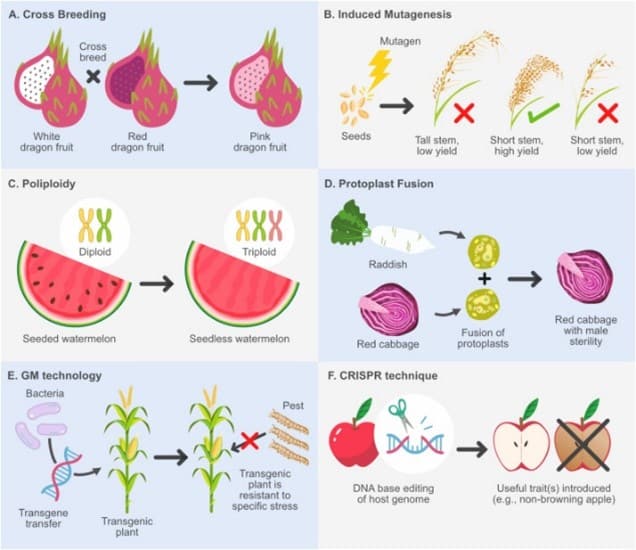
Types of genetic modification
Enzymes like chymosin, produced using genetically engineered microorganisms, are standard in cheese manufacturing. Fermentation processes increasingly rely on optimized microbial strains to improve yield and product stability.
Biotechnology also plays a direct role in food safety through rapid detection technologies. Methods such as PCR and ELISA allow faster identification of pathogens like Listeria monocytogenes and Salmonella, enabling quicker responses to contamination events (WHO, 2022).
When Innovation Introduces Risk
Despite these benefits, biotechnology can amplify food safety risks when controls fail. One major concern is allergenicity, particularly when novel proteins are introduced into foods. For this reason, biotech-derived foods undergo extensive pre-market safety assessments in Canada (Health Canada, 2023).
However, recalls show that risks are more often linked to process and labeling failures rather than the biotechnology itself. CFIA recall data consistently identify undeclared allergens as a leading cause of food recalls in Canada (CFIA, 2024). In products containing biotech-derived ingredients, inaccurate labeling or poor traceability can result in serious consumer health risks, especially for individuals with food allergies.
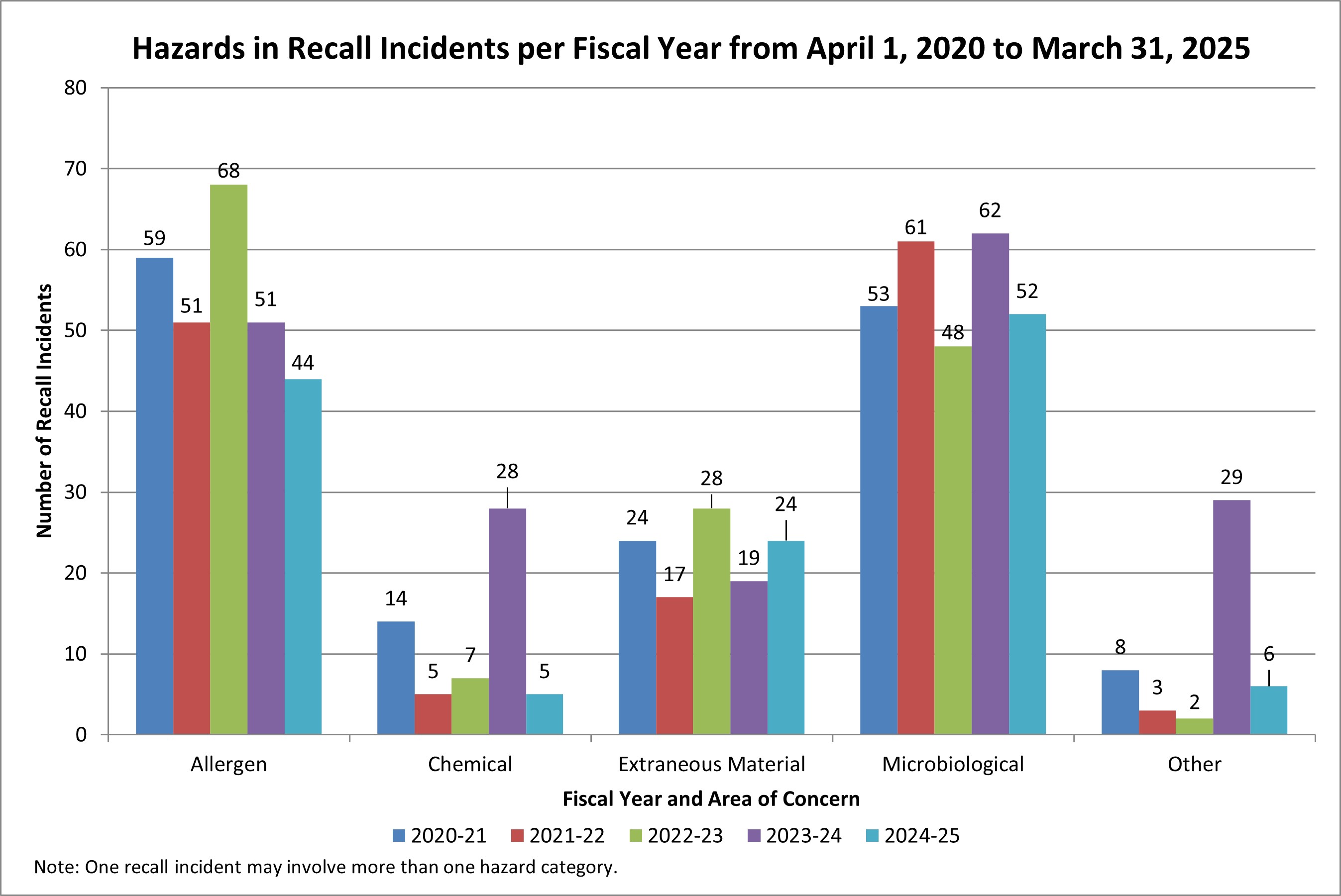
Food recall incidents and total recalls by hazard in Canada
Another risk lies in fermentation-based production. Whether microorganisms are genetically modified or not, inadequate sanitation, poor environmental monitoring, or weak process control can lead to contamination. This was clearly demonstrated in the 2008 Maple Leaf Foods Listeria monocytogenes outbreak, where persistent contamination in processing equipment led to widespread illness despite established food safety systems (CFIA, 2009). The case reinforced that advanced technology cannot compensate for failures in sanitation and verification.
Food Fraud and Biotechnology
Food fraud is indirectly related to biotechnology and genetically modified (GM) foods through labeling, traceability, and consumer information rather than through the technology itself. It primarily involves false “non-GMO” claims, mislabeling, or inadequate disclosure of biotech-derived ingredients for economic gain. Canadian recall data indicate that non-compliance is more often linked to documentation and labeling failures than to biotechnology (CFIA, 2024).
As biotechnology increases supply-chain complexity, food fraud risks rise when traceability and regulatory oversight are weak. These risks are driven by economic incentives and governance failures, not by biotechnology, highlighting the importance of HACCP-based controls and effective traceability systems.
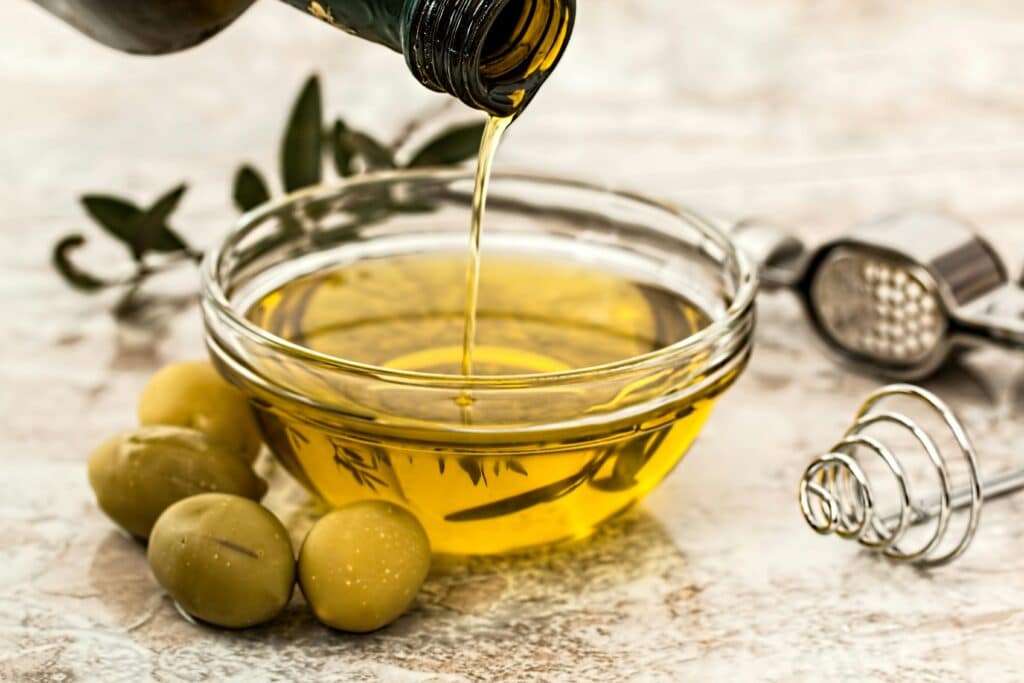
Olive oil and other expensive oils are commonly adulterated items
Managing Biotech Risks Through Food Safety Systems
In Canada, foods derived from biotechnology are regulated as novel foods, requiring rigorous assessment of toxicity, allergenicity, nutritional impact, and genetic stability before approval (Health Canada, 2023). Post-market oversight, including labeling compliance and recalls, is enforced by the CFIA.
At the facility level, HACCP and Preventive Control Plans (PCPs) remain essential. These systems ensure that biotechnology-related hazards such as allergen cross-contact, microbial growth during fermentation and sanitation failures are identified, monitored, and corrected.
Internationally, Codex Alimentarius provides guidance on assessing and managing risks associated with foods derived from biotechnology, supporting globally harmonized food safety standards (Codex Alimentarius Commission, 2011).
Conclusion
Biotechnology offers powerful tools to improve food production and safety, but it does not eliminate risk. Canadian recall history demonstrates that technology without strong food safety systems creates a false sense of security. When biotechnology is integrated into HACCP-based controls, supported by regulatory oversight and a strong food safety culture, it becomes an asset rather than a liability. Innovation and food safety must advance together—or failures will continue to follow.
References
- Canadian Food Inspection Agency (CFIA). (2009). Investigation Report: Listeria monocytogenes Outbreak – Maple Leaf Foods. Report of the Independent Investigator into the 2008 Listeriosis Outbreak – Canada.ca
- Canadian Food Inspection Agency (CFIA). (2024). Food recall warnings and allergy alerts. Government of Canada. https://inspection.canada.ca
- Codex Alimentarius Commission. (2011). Guidelines for the Safety Assessment of Foods Derived from Biotechnology. FAO/WHO. Foods Derived from Biotechnology
- Hamdan, M. F., & Tan, B. C. (2024). Genetic modification techniques in plant breeding: A comparative review of CRISPR/Cas and GM technologies. Horticultural Plant Journal, 11(5), 1807–1829. https://doi.org/10.1016/j.hpj.2024.02.012
- Health Canada. (2023). Safety Assessment of Novel Foods. Guidelines for the Safety Assessment of Novel Foods – Canada.ca
- Regan, A. (2020, November 19). Marvelously modified: Breaking the GMO stigma. Medium. https://medium.com/art-of-the-argument/marvelously-modified-breaking-the-gmo-stigma-e5173ed8802e
- Spink, J., & Moyer, D. C. (2011). Defining the public health threat of food fraud. Journal of Food Science, 76(9), R157–R163. https://doi.org/10.1111/j.1750-3841.2011.02417.x

About the author: Maitri J. Patel, a Biotechnology graduate and Food Safety & Quality Assurance Management post-graduate diploma student, brings together scientific training and hands-on learning. With a solid foundation in laboratory practices and food industry–focused education, she is deeply committed to advancing food quality, safety, and public health. Through her academic work and writing, she delivers clear, evidence-based insights, aiming to make science practical, accessible, and impactful in everyday life.

leave your comment